

Astaxanthin is one of the most remarkable natural antioxidants found in the world of nutrition. Often recognized for its vibrant red-orange color, this carotenoid is responsible for the striking pigmentation in salmon, shrimp, krill, and certain types of microalgae. Although it may not be a household name, astaxanthin is widely studied for its potential wellness benefits and is becoming increasingly popular in functional foods and dietary supplements.
In this guide, we explore what astaxanthin is, where it comes from, and why it has attracted the interest of researchers, nutrition experts, and wellness enthusiasts across the globe.
Where Does Astaxanthin Come From?
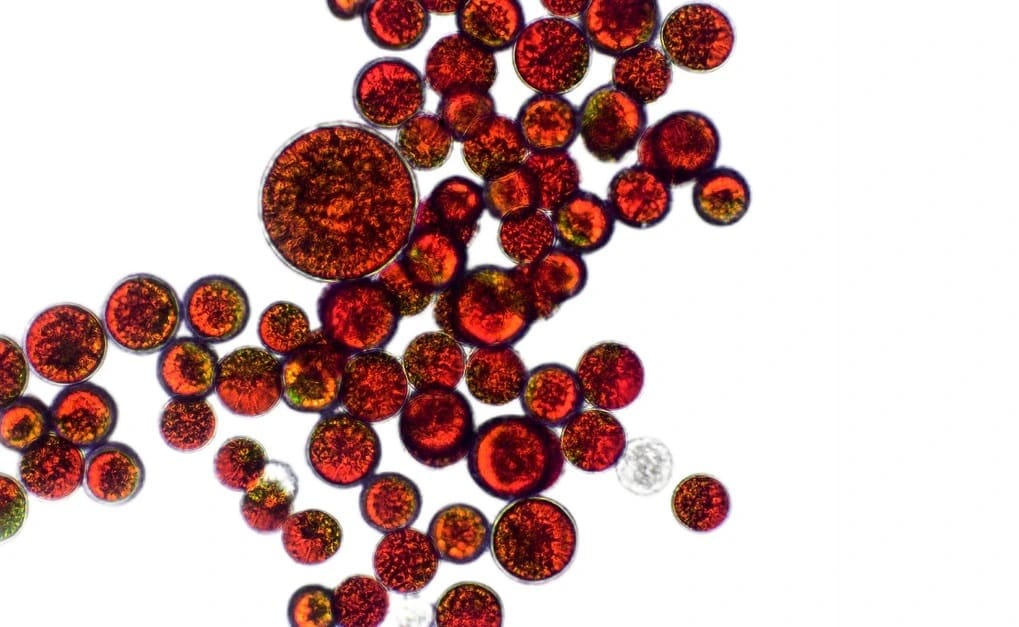
Unlike many carotenoids commonly found in fruits and vegetables, astaxanthin is produced primarily by a freshwater microalgae known as Haematococcus pluvialis.
Under normal conditions, this algae is green. However, when exposed to environmental stress such as intense sunlight, nutrient scarcity, or drought, it undergoes a fascinating transformation. To protect itself, the algae produces high concentrations of astaxanthin, turning a deep red color.
This defensive mechanism not only helps the algae survive harsh conditions but also creates one of the most potent antioxidants found in nature.
Astaxanthin enters the food chain naturally when small marine organisms consume the algae. This is why salmon and crustaceans develop their characteristic pink hue.
What Makes Astaxanthin Unique?
Astaxanthin belongs to the xanthophyll family of carotenoids. What makes it particularly interesting is the way it interacts with free radicals inside the body.
While all antioxidants help neutralize oxidative stress, astaxanthin has a unique molecular structure that allows it to span across the cell membrane. This dual-solubility property supports protection on both the inside and outside of the cell.
Researchers have also explored how astaxanthin compares to other well-known antioxidants. Several studies suggest that it has a stronger free radical–quenching ability compared to vitamin C, vitamin E, and beta-carotene. This does not make other antioxidants less important, but it does highlight why astaxanthin is increasingly valued in nutrition science.
Natural Sources of Astaxanthin
Astaxanthin can be found in small amounts in:
- Salmon
- Salmon roe
- Shrimp
- Crabs
- Lobster
- Sea bream
- Krill
However, the highest and most reliable concentration comes from Haematococcus pluvialis microalgae, which is the primary source used in high-quality nutritional supplements.
How Astaxanthin Works in the Body
Oxidative stress occurs when there is an imbalance between free radicals and antioxidants. Over time, this stress can affect cells and tissues.
Astaxanthin’s antioxidant properties help support the body’s natural defenses by:
- Supporting healthy cellular function
- Helping maintain the stability of cell membranes
- Neutralizing free radicals caused by daily environmental and lifestyle factors
Its unique molecular structure enables it to remain stable and active without becoming a pro-oxidant, which sets it apart from many other carotenoids.
Key Areas of Wellness Associated with Astaxanthin
Although ongoing research continues to explore its full potential, astaxanthin has been studied in relation to several areas of wellness:
1. Skin Appearance and Hydration
Astaxanthin is known for its ability to support overall skin health. Studies suggest that it helps maintain skin hydration and supports a healthy appearance, making it a popular ingredient in beauty supplements.
2. Eye Function and Visual Comfort
Astaxanthin is one of the few antioxidants that can reach specific areas of the eye. This has made it an ingredient of interest for maintaining visual comfort, especially in modern lifestyles that involve extended screen time.
3. Cellular Protection and Antioxidant Support
Its strong antioxidant activity helps protect cells from oxidative stress associated with aging and environmental factors.
4. Energy and Vitality
By helping to protect cells, astaxanthin may contribute to overall physical vitality and daily performance.
5. Memory and Cognitive Support
Some studies have explored astaxanthin’s role in supporting cognitive function, making it an ingredient of interest in brain-health formulations.
Why Astaxanthin Supplements Are Often Derived from Microalgae
Although astaxanthin is present in several foods, it is difficult to obtain meaningful amounts through diet alone.
This is why Haematococcus pluvialis microalgae has become the preferred source for supplementation.
- Microalgae-derived astaxanthin is:
- Naturally concentrated
- Highly bioavailable
- Eco-friendly
- Free from artificial coloring
- Consistent in quality
High-quality supplements use astaxanthin extracted from microalgae grown under controlled conditions, ensuring purity and stability.
Astarella: A Premium Source of Astaxanthin
Astarella represents Sun Chlorella’s approach to simple, reliable, and high-quality carotenoid supplementation. At the heart of the formula is astaxanthin, a naturally occurring pigment found in microalgae and marine life, valued for its strong antioxidant properties. In daily wellness routines, astaxanthin is often chosen for its association with skin hydration, visual comfort, and cognitive support*, making it a versatile addition for people seeking a well-rounded approach to long-term wellbeing.
What sets Astarella apart is its carefully selected source. The astaxanthin in this formula is derived from Haematococcus microalgae, one of the most studied and trusted origins for this carotenoid. Under natural stress conditions, this algae produces astaxanthin as a protective compound, and it is during this phase that the pigment reaches peak concentration and potency. By using microalgae-derived astaxanthin, Astarella provides a form that is naturally occurring, stable, and well suited for consistent daily use.
Quality is central to Astarella’s identity. Each production lot undergoes evaluation for identity, purity, and composition before release, ensuring a dependable experience with every capsule. There are no artificial colors, unnecessary additives, or synthetic versions of astaxanthin, only a focused, naturally sourced carotenoid that aligns with Sun Chlorella’s whole-food philosophy.
Astarella is designed for those who want an effortless way to support their skin, eyes, and overall vitality as part of a broader wellness routine*. With its clean formulation and trusted microalgae origin, it offers a simple yet premium option for incorporating astaxanthin into everyday life.
Putting it all together
Astaxanthin is a powerful natural antioxidant with a fascinating origin story and a growing body of research behind it. Whether you are interested in supporting skin health, visual comfort, cognitive performance, or overall vitality, this unique red carotenoid offers a natural way to enhance your wellness routine.
As interest in functional ingredients continues to rise worldwide, astaxanthin stands out as a scientifically intriguing and nutritionally valuable option. Its combination of potency, stability, and natural origin makes it one of the most compelling antioxidants in modern nutrition.
*No medical claims. These statements are not intended to diagnose, treat, cure or prevent any disease.