




Chlorella is a tiny green freshwater algae that has become a popular ingredient in dietary supplements around the world. Although it is too small to see clearly without a microscope, growing chlorella requires careful attention to its environment and several stages of cultivation and processing.
But have you ever wondered how this microscopic green algae becomes the tablets or powder you find in stores?
Let’s explore the journey of chlorella, from its first stages of growth to the finished product.
What Does Chlorella Need to Grow?
Like other photosynthetic organisms, chlorella uses light as an energy source to grow. It also needs water, carbon dioxide, nutrients, and suitable environmental conditions.
Temperature and light exposure are especially important because they influence how well chlorella grows.
Different producers use different cultivation methods. Some grow chlorella in enclosed systems, while others use outdoor cultivation facilities that take advantage of natural sunlight.
At Sun Chlorella, the cultivation process combines carefully controlled early growth stages with outdoor cultivation in Taiwan, where environmental conditions are suitable for growing chlorella.
How Does Chlorella Cultivation Begin?
Growing chlorella doesn’t start with a large outdoor pond.
The process begins with a small amount of carefully selected chlorella, known as a starter culture.
At Sun Chlorella, the selected Chlorella pyrenoidosa strain is first grown under controlled conditions using artificial light. As the chlorella multiplies, it is transferred to progressively larger containers.
During these early stages, light and carbon dioxide help support its growth.
Once enough chlorella has developed, it is ready for outdoor cultivation.
Growing Chlorella Under Natural Sunlight
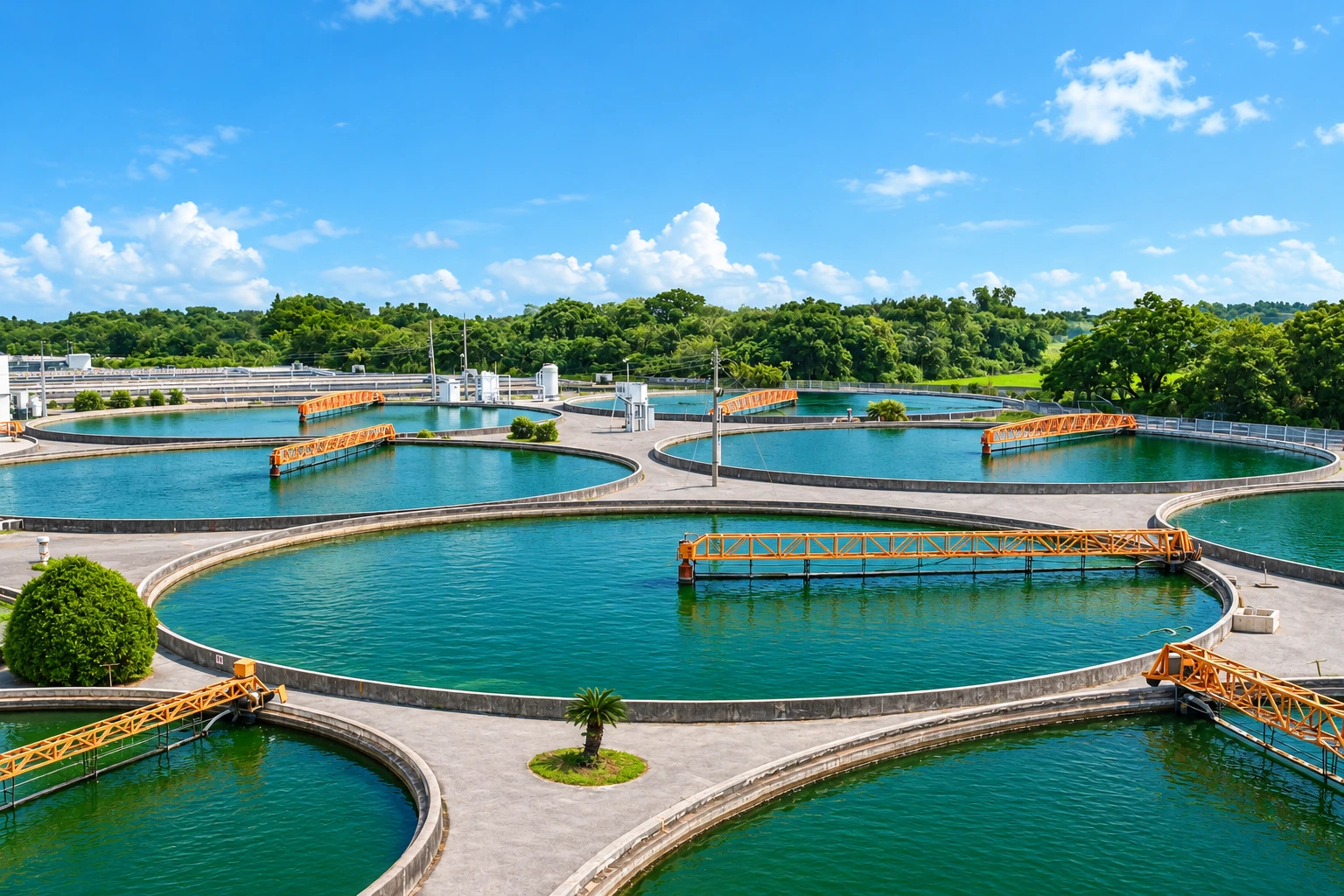
The next stage takes place in outdoor cultivation ponds.
Here, chlorella receives natural sunlight while the growing conditions are carefully managed. The water is continuously stirred to help distribute the algae and expose them more evenly to sunlight.
As chlorella grows, its concentration in the water increases.
Sun Chlorella uses outdoor cultivation facilities in Taiwan, where suitable sunlight, temperature, and water conditions support the production process.
This stage transforms a relatively small starter culture into a much larger quantity of chlorella ready for harvesting.
How Is Chlorella Harvested?
Once the chlorella reaches the required concentration, it is time to collect it.
Because chlorella consists of microscopic cells suspended in water, harvesting involves separating the algae from the liquid in which they grow.
At Sun Chlorella, the harvested chlorella goes through filtration, washing, and concentration.
These steps help prepare the chlorella for further processing.
Why Is Chlorella Processed After Harvesting?
One of chlorella’s distinctive characteristics is its tough cell wall.
This protective structure surrounds the cell, but it can also make the nutrients inside more difficult to access during digestion.
For this reason, some chlorella products undergo a process designed to break down the cell wall.
Sun Chlorella uses a physical processing method called DYNO®-Mill technology, which pulverizes the chlorella cell wall without relying on chemical or enzymatic treatments for this step.
Afterward, the chlorella undergoes further processing, including a short heat treatment and drying, to prepare it for use in dietary supplements. You can explore these stages in more detail on our Sun Chlorella A Manufacturing Process page.
From Green Algae to Tablets and Powder
After drying, chlorella becomes a fine green powder.
This powder can be used as an ingredient in different supplement formats. It can also be compressed into tablets, making it convenient to incorporate into a daily routine.
For Sun Chlorella A Tablets, the manufacturing process includes inspections of the finished tablets before packaging. Learn more about our approach to manufacturing standards and quality control on our Product Quality page.
From selecting the original chlorella strain to preparing the final product, each stage plays a role in transforming microscopic freshwater algae into a dietary supplement.
Final Thoughts
The journey of chlorella is more involved than its simple green appearance might suggest.
It begins with a microscopic culture, continues through carefully managed growth and harvesting, and finishes with processing that makes the algae suitable for supplement production.
Understanding how chlorella is grown and prepared offers a different perspective on this remarkable freshwater algae—and on the work involved in bringing it from cultivation ponds to the finished product.