




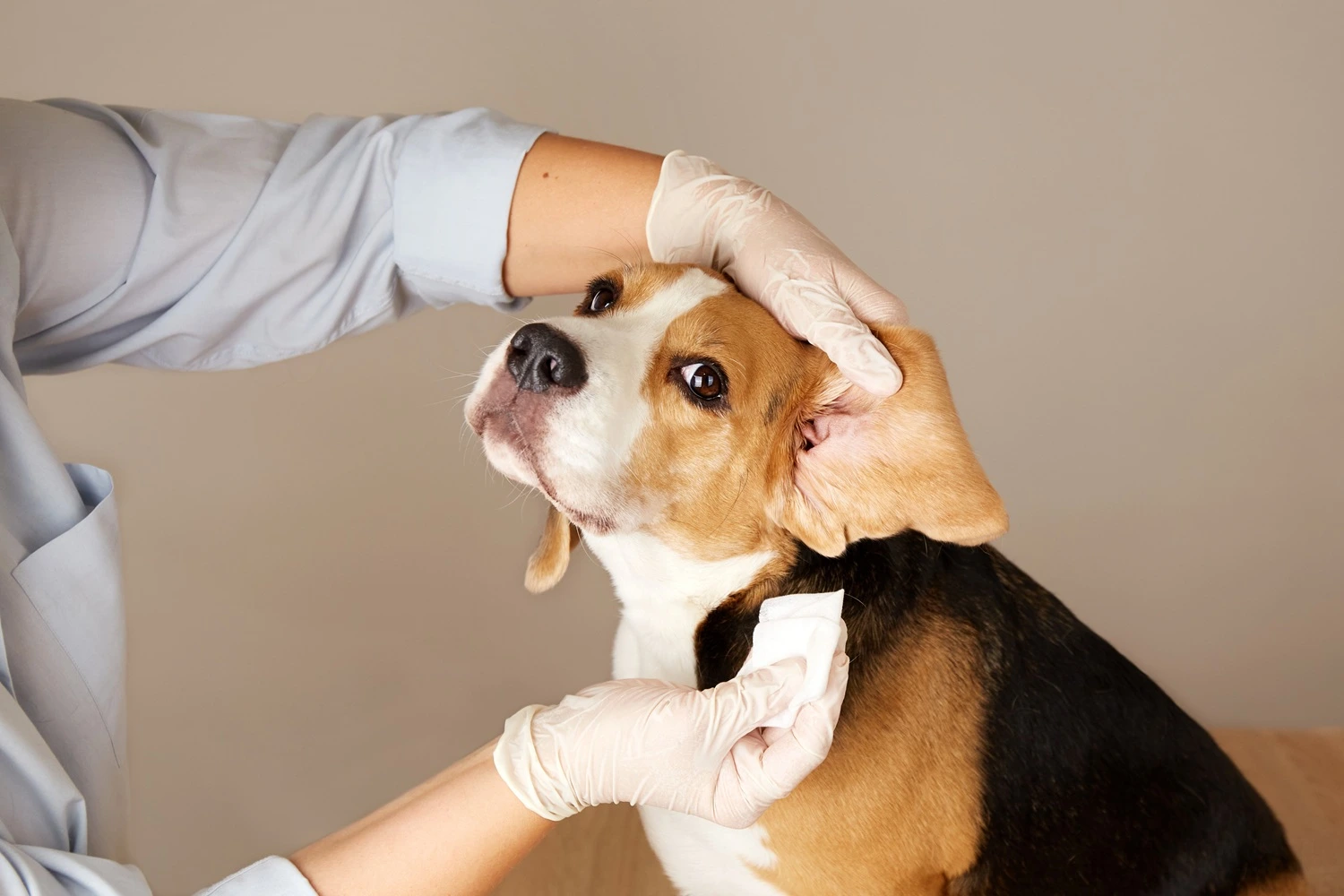
Skin irritation, persistent redness, and dry, uncomfortable coats are among the most common reasons pet parents seek veterinary guidance.
Inflammation is naturally the body’s protective response against environmental stressors or microorganisms. However, when skin irritation becomes ongoing, it can affect a dog’s daily comfort, sleep, and overall playfulness.
While proper grooming, balanced pet food, and avoiding known allergens form the baseline of care, researchers have increasingly investigated how whole-food nutritional ingredients can help support the body’s internal balance.
Among natural ingredients, freshwater microalgae—specifically Chlorella pyrenoidosa—have drawn interest in veterinary nutrition.
To evaluate how chlorella works inside the body, researchers conducted a clinical study on dogs experiencing chronic skin discomfort. Here is what the science reveals in clear, simple terms.
How Skin Inflammation Works in Dogs
To understand why microalgae can help, it helps to look at what happens inside a dog’s body during skin irritation:
Environmental Trigger
Pollen, food, or dry weather directly affects the dog’s skin barrier.
Immune Cell Response
Neutrophil white blood cells spike in count as part of the biological defense.
Visible Skin Redness
Ear redness, intense itching, and tissue irritation manifest visibly.
- The Environmental Trigger: Pollen, dry weather, or food sensitivities irritate the skin surface.
- The Cellular Response: The immune system sends specialized white blood cells called neutrophils to the affected area. While neutrophils help protect the body, an overabundance of them circulating in the blood often correlates with heightened tissue redness and itching.
- The Visible Result: Ears and skin become red, sensitive, and uncomfortable.
The Veterinary Study: Chlorella in Canine Dermatitis
To evaluate whether chlorella could support skin comfort in real-world conditions, researchers presented findings at the Annual Meeting of the Japan Society for Bioscience, Biotechnology, and Agrochemistry.
Study Overview
- Subjects: Beagles experiencing ongoing, spontaneous chronic skin redness and irritation.
- Method: The dogs were divided into two groups over a 4-week period:
- Group A (Control): Received standard dog food.
- Group B (Chlorella Group): Received standard dog food supplemented with pure chlorella powder (0.1 g per kg of body weight daily).
- Evaluation: Veterinarians conducted daily physical checks of the ears and affected skin areas, alongside comprehensive blood testing at the end of the 4 weeks.
The Results: Soother Skin and Cell Balance
After four weeks of daily intake, veterinarians observed significant clinical differences between the two groups across physical examinations, inflammation scoring, and blood chemistry markers.
75% Skin Improvement
75% of dogs receiving chlorella showed clinical improvement in skin redness, including complete clearance in 6% of cases.
Neutrophil Normalization
Blood tests revealed a significant decrease in elevated neutrophil counts, demonstrating internal immune balance.
Reduced Inflammation Score
Visual veterinary inflammation scores steadily declined (e.g., dropping from score 5 to score 3 in affected ear tissue).
1. Visual Clinical Improvements in Affected Tissue
Daily veterinary clinical evaluations focused on high-sensitivity areas such as the auricle (the outer ear flap) and other body sites prone to chronic dermatitis:
- Dermatitis Improvement Rate: In the Chlorella Group, 75% of the dogs achieved clinical improvement in their skin condition. This category included dogs rated by veterinarians as “markedly improved” and “improved”.
- Complete Disappearance of Inflammation: Within the Chlorella Group, 6% of the dogs experienced complete disappearance of redness and tissue irritation in the ears and surrounding affected areas.
- Control Group Comparison: In stark contrast, 0% of the dogs in the Control Group experienced complete disappearance of inflammation. While 31% showed mild natural improvement, 38% of the control dogs actually experienced worsening dermatitis over the 4-week trial period.
2. Reduction in Visual Inflammation Scores
To measure progress objectively, veterinarians utilized an inflammation scoring scale.
Dogs in the Chlorella Group demonstrated a consistent downward trend in their visual inflammation scores. For instance, ear flap examinations revealed a reduction in inflammation severity scores from an initial baseline of Score 5 (indicating pronounced redness, swelling, and localized tissue irritation) down to a Score 3 after 4 weeks of daily supplementation.
3. Hematological Findings: Balancing Neutrophil Counts
Beyond visual skin inspections, the study analyzed internal blood chemistry markers at the conclusion of the trial.
Neutrophils are the primary granulocyte white blood cells recruited during an inflammatory response.
When skin tissue is chronically irritated, neutrophil counts in the bloodstream typically rise to elevated levels as the immune system remains on high alert.
The blood analysis revealed a statistically significant decrease in neutrophil counts among dogs in the Chlorella Group. By helping normalize these circulating white blood cells, chlorella demonstrated a clear ability to help calm internal inflammatory signaling, corroborating the physical improvements observed on the dogs’ skin surface.
Why Chlorella Supports Skin Health
Chlorella is not a drug, nor does it work by artificially suppressing the immune system. Instead, it provides a dense matrix of natural nutrients that support the body’s own defense mechanisms:
- Natural Chlorophyll: Plant pigments that support internal cleansing and tissue health.
- Plant-Based Antioxidants: Carotenoids such as lutein and beta-carotene help protect skin cells from oxidative stress.
- Chlorella Growth Factor (CGF): A complex of nucleic acids and amino acids that supports natural cellular repair and renewal.
- Bioavailable Micronutrients: Providing naturally occurring Vitamin A, Vitamin D, and active Vitamin B12 directly to working tissues.
Important Veterinary Guidance and Precautions
Veterinary Consultation Notice
Whole-food dietary supplements are designed to complement daily pet nutrition and support skin health. They are not medicines and are not intended to diagnose, treat, cure, or prevent clinical skin diseases, severe allergic infections, or autoimmune disorders.
Precautions: If your dog is experiencing sudden, severe hair loss, open skin lesions, or signs of an active bacterial infection, please consult a licensed veterinarian for proper medical diagnosis and care. If your pet takes prescription medication or manages a chronic medical condition, consult your veterinarian before adding new whole-food supplements to their daily bowl.
Important Healthcare Notice
This article is intended for general educational and informational purposes only. It does not constitute medical advice and is not intended to diagnose, treat, cure, or prevent any disease or clinical condition. Dietary supplements should complement, not replace, a balanced diet and a healthy lifestyle. If you have an existing medical condition, are pregnant, nursing, or are taking prescription medications, always consult a qualified healthcare professional before making changes to your diet or supplement routine.