




We often think about nutrition one nutrient at a time. Vitamin C supports normal immune function, calcium contributes to healthy bones, and iron plays an essential role in transporting oxygen throughout the body.
But nutrients don’t always work independently.
Some nutrients influence how others are absorbed, transported, or used by the body. In certain cases, combining foods can make a difference in how effectively we obtain particular nutrients from our diet.
This doesn’t mean every nutrient combination provides extra benefits. Instead, understanding a few well-established interactions can help us make more informed choices about everyday meals.
What Does It Mean When Nutrients Work Together?
Nutrients interact in several ways during digestion and metabolism.
Sometimes, one nutrient helps the body absorb another. In other situations, nutrients contribute to related biological processes, even though they perform different functions.
These interactions are often described as nutrient synergy, although the term is sometimes used too broadly in nutritional marketing.
Importantly, nutrients working together doesn’t necessarily mean that taking them simultaneously produces a greater health benefit.
The relationship depends on the nutrients involved, the amounts consumed, and individual nutritional needs.
Let’s explore some of the best-understood examples.
1. Vitamin C and Iron: Improving Plant-Based Iron Absorption
One of the clearest examples of nutrient interaction involves vitamin C and iron.
Iron is an essential mineral involved in oxygen transport and other normal physiological functions.
It occurs in two main dietary forms:
- Heme iron, found in animal-derived foods.
- Non-heme iron, found in plant foods and fortified products.
Non-heme iron is generally less readily absorbed, and its absorption can be influenced by other components of a meal.
Vitamin C helps improve the absorption of non-heme iron.
For example, combining lentils or beans with vitamin C-rich foods, such as bell peppers, tomatoes, or citrus fruits, can help make more of the meal’s plant-based iron available for absorption.
This is particularly relevant for people who rely heavily on plant-based sources of iron.
Practical example: Try adding red bell peppers to a lentil salad or serving beans with tomatoes.
2. Vitamin D and Calcium: Different Roles in Bone Health
Calcium is an essential mineral involved in maintaining bones and teeth, muscle function, and normal nerve signaling.
Vitamin D helps the body absorb calcium from the digestive tract and contributes to maintaining appropriate calcium levels.
Both nutrients therefore play important, complementary roles in normal bone health.
However, this relationship doesn’t mean that calcium and vitamin D must always be consumed in the same meal.
What matters is maintaining an adequate intake and appropriate vitamin D status over time.
Food sources of calcium include dairy products, calcium-set tofu, and certain fortified foods. Vitamin D can be obtained from selected foods, fortified products, supplements, and synthesis in the skin following sunlight exposure.
Practical example: Include calcium-containing foods in a balanced diet while ensuring that your overall vitamin D intake and status are appropriate for your needs.
3. Dietary Fat and Carotenoids: Why Meal Composition Matters
Carotenoids are naturally occurring pigments found in many colorful fruits, vegetables, and microalgae.
Examples include beta-carotene, lutein, and zeaxanthin.
Because carotenoids are fat-soluble compounds, the presence of dietary fat can influence their absorption.
Research suggests that consuming carotenoid-rich foods alongside dietary fats can improve carotenoid bioavailability.
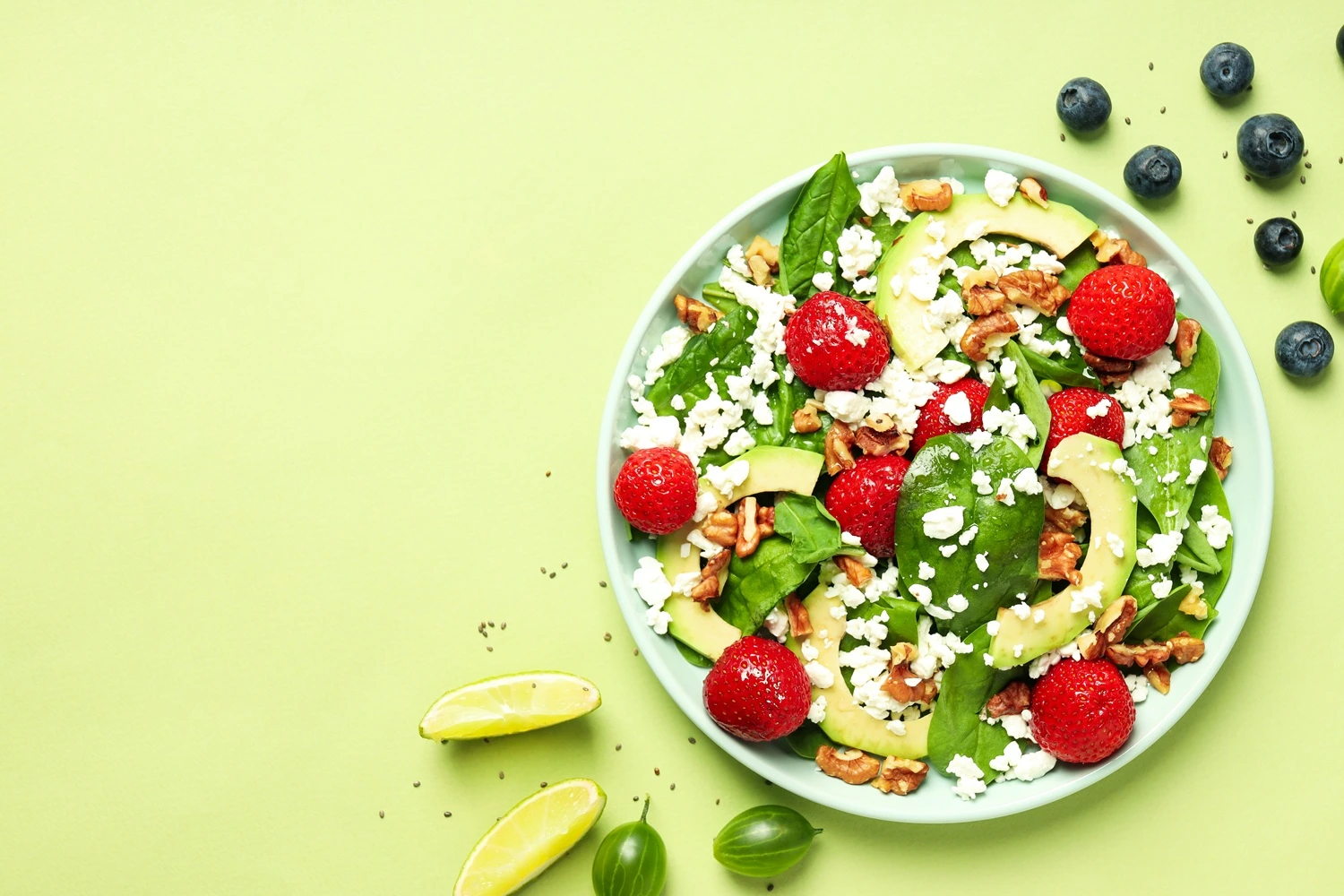
For example, adding olive oil or avocado to a salad containing carrots and leafy greens may help the body absorb certain carotenoids.
This doesn’t mean that large amounts of fat are necessary or that more fat always produces better results.
It simply illustrates how the overall composition of a meal can influence the availability of particular compounds.
Practical example: Add a modest amount of olive oil to a salad containing carrots, spinach, and other colorful vegetables.
4. Do Some Nutrients Also Interfere with Each Other?
Not all nutrient interactions increase absorption.
Some food components can reduce the absorption of particular minerals under certain conditions.
For example, phytates naturally present in legumes, grains, nuts, and seeds can bind to minerals such as iron and zinc, reducing their availability during digestion.
Certain polyphenols can also influence non-heme iron absorption.
However, this doesn’t mean that foods containing phytates or polyphenols should be avoided.
Whole grains, legumes, nuts, and seeds can be valuable parts of a nutritious diet.
The effects of these interactions depend on the overall dietary pattern, food preparation, nutritional status, and amounts consumed.
For most people eating a varied diet, it is generally more useful to focus on nutritional balance than to worry about every potential interaction at individual meals.
5. Does This Mean You Should Carefully Combine Every Food?
No.
Although nutrient interactions are scientifically interesting, healthy eating doesn’t need to become a complicated exercise in food pairing.
The body has multiple mechanisms for regulating nutrient absorption and utilization, and nutritional adequacy depends on dietary patterns over time.
Understanding whether you can get enough nutrients from food alone can also help you build a more balanced approach to nutrition.
Rather than trying to optimize every meal, consider a few practical principles:
- Eat a variety of vegetables, fruits, whole grains, and protein sources.
- Include appropriate sources of dietary fat in your eating pattern.
- Combine plant-based iron sources with vitamin C-rich foods when convenient.
- Pay attention to your individual nutritional needs rather than following generalized supplement combinations.
- Avoid assuming that taking larger amounts of several nutrients together will necessarily improve their effects.
Small, consistent dietary habits are usually more practical than complicated nutritional rules.
6. What Can Chlorella Teach Us About Nutritional Complexity?
Chlorella is a freshwater green microalga that naturally contains a range of nutrients and compounds, including protein, chlorophyll, carotenoids, vitamins, and minerals.
Its composition makes chlorella an interesting example of a whole-food ingredient containing different nutritional components.
However, the presence of multiple nutrients doesn’t automatically mean they produce a unique synergistic effect when consumed together.
The nutritional contribution of chlorella depends on factors such as its composition, processing, serving size, and the individual’s overall diet.
For example, chlorella contains naturally occurring carotenoids, whose absorption can be influenced by the composition of a meal.
Understanding these relationships provides useful context for evaluating foods and supplements without assuming that more ingredients always lead to greater benefits.
Chlorella can be considered as one optional component of a varied diet, rather than a replacement for the nutritional diversity provided by everyday foods.
Frequently Asked Questions
What is nutrient synergy?
Nutrient synergy generally refers to interactions in which nutrients influence one another’s absorption, metabolism, or biological functions. However, not every interaction produces an additional health benefit, and the term should not be interpreted as proof that a particular combination is more effective.
Which nutrients are commonly paired together?
Well-established examples include vitamin C and non-heme iron, vitamin D and calcium, and dietary fats with carotenoid-rich foods. These relationships involve different mechanisms and don’t necessarily require simultaneous supplementation.
Does vitamin C help absorb iron?
Yes. Vitamin C can improve the absorption of non-heme iron, the form found in plant-based foods and fortified products.
Should calcium and vitamin D always be taken together?
Not necessarily. Vitamin D supports calcium absorption, but the two nutrients don’t need to be consumed at exactly the same time to perform their normal functions.
Can taking too many supplements together be harmful?
Potentially. Some supplements can provide excessive amounts of certain nutrients or interact with medications. More isn’t always better, and combining multiple products should be considered carefully.
Do whole foods provide better nutrient synergy than supplements?
Not automatically. Whole foods provide complex combinations of nutrients and other dietary components, but whether a specific nutrient is better absorbed or utilized depends on its form, the food matrix, and individual circumstances.
Final Thoughts: Better Nutrition Is About Balance, Not Perfect Combinations
Nutrients don’t always act independently. Vitamin C can support the absorption of plant-based iron, vitamin D helps the body absorb calcium, and dietary fats can influence the absorption of carotenoids.
These examples remind us that nutrition involves relationships between foods, nutrients, and the body’s digestive processes.
However, understanding nutrient interactions shouldn’t make eating more complicated.
A balanced and varied diet remains a practical foundation for meeting nutritional needs, while knowledge of specific interactions can help us make thoughtful choices along the way.
Rather than searching for a perfect combination of ingredients, focus on building consistent habits that provide a broad range of essential nutrients.
References
1. National Institutes of Health, Office of Dietary Supplements. Iron — Health Professional Fact Sheet. https://ods.od.nih.gov/factsheets/Iron-HealthProfessional/
2. National Institutes of Health, Office of Dietary Supplements. Vitamin C — Health Professional Fact Sheet. https://ods.od.nih.gov/factsheets/VitaminC-HealthProfessional/
3. National Institutes of Health, Office of Dietary Supplements. Vitamin D — Health Professional Fact Sheet. https://ods.od.nih.gov/factsheets/VitaminD-HealthProfessional/
4. National Institutes of Health, Office of Dietary Supplements. Calcium — Health Professional Fact Sheet. https://ods.od.nih.gov/factsheets/Calcium-HealthProfessional/
5. Effects of dietary fats on the bioaccessibility and bioavailability of carotenoids: A systematic review and meta-analysis of in vitro studies and randomized controlled trials. https://pubmed.ncbi.nlm.nih.gov/34897461/
Disclaimer: This article is for informational purposes only and is not intended to diagnose, treat, cure, or prevent any disease. Individual nutritional needs vary. Consult a qualified healthcare professional for personalized dietary or supplementation advice.